Direct answer: A gold Rolex typically ranges from roughly $12,000 for two-tone (steel & gold) models to $100,000+ for high-end solid 18k gold Rolexes with diamonds or rare configurations; most common solid 18k gold Rolex models sell new or pre-owned in the roughly $25,000–$60,000 band depending on model, condition, and market.
Detailed explanation
When people ask “how much is a gold Rolex?” they usually mean one of three things: a two-tone Rolesor (steel and 18k gold) Rolex, a fully solid 18k gold Rolex (yellow, Everose/rose, or white gold), or a Rolex with gold elements like a gold bezel or gold-plated parts. Rolex exclusively uses 18k gold alloys that it manufactures in-house (including the proprietary Everose rose gold). Prices vary widely by model, the presence of gems, bracelet and dial options, market demand, and whether the watch is new from an authorized dealer or pre-owned.
Typical price brackets (approximate and intended as a current-market guide):
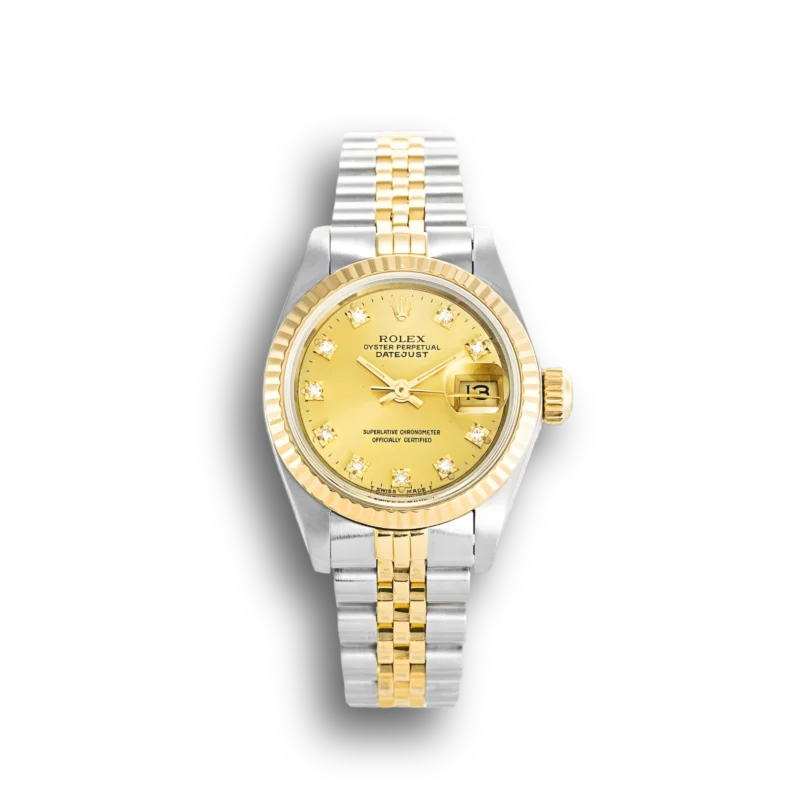
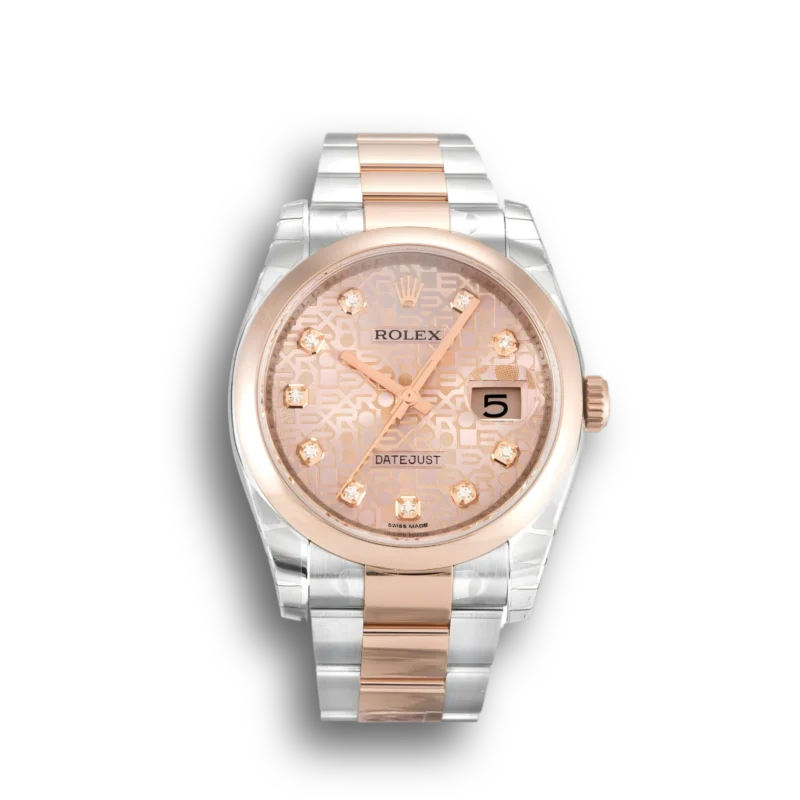
- Two-tone Rolesor (steel + 18k gold): $12,000–$18,000 for common Datejust, GMT-Master II, or Submariner Date two-tone models.
- Solid 18k gold Rolex (entry models): $25,000–$40,000—examples include some Datejusts or Oyster Perpetual variants manufactured in solid gold.
- High-end solid gold models: $35,000–$80,000+—Day-Date “President”, gold Daytonas, GMT-Master II in solid gold and similar sport-luxury models.
- Diamond-set or rare/vintage pieces: $50,000–$100,000+ depending on gem quality, rarity, provenance, and collector demand.
These ranges are influenced by MSRP, secondary market premiums (which can be significant, especially for sought-after models), taxes, and regional pricing differences.
Key reasons / factors
- Model and reference: Day-Date, Daytona, GMT-Master II, Submariner, and Datejust each occupy different price tiers. The Day-Date (“President”) in gold is traditionally one of the most expensive everyday Rolex models.
- Gold type: Rolex uses 18k yellow gold, 18k white gold, and 18k Everose gold; the metal itself and the manufacturing process add material and labor cost.
- Solid gold vs Rolesor: A solid gold case and bracelet costs substantially more than a two-tone Rolesor (steel + gold) variation.
- Condition and age: New watches carry MSRP but could trade at a premium or below depending on availability. Pre-owned and vintage pieces depend on condition, service history, and originality.
- Box and papers / provenance: Complete sets and documented service history command higher prices.
- Bezel and dial options: Fluted gold bezels vs diamond-set bezels, factory gem dials, or rare dial colors influence price.
- Market demand and scarcity: Popular or limited-availability gold models often trade well above retail on the secondary market.
- Aftermarket modifications: Non-factory gold plating or aftermarket diamonds reduce value compared with factory Rolex gold and factory-set gems.
Comparison
| Type | Typical price range | Notes |
|---|---|---|
| Two-tone Rolesor (steel + gold) | $12,000–$18,000 | Best value entry into “gold look”; durable and more affordable. |
| Solid 18k gold (dress models, Datejust) | $25,000–$40,000+ | Luxury feel, heavier; commonly seen in Datejust and Day-Date variants. |
| Solid 18k gold (professional/sport models, Daytona) | $35,000–$80,000+ | High demand models like gold Daytona and GMT in gold sit at premium pricing. |
| Diamond-set or rare/vintage gold | $50,000–$100,000+ | Values driven by gem quality, rarity, and historic importance. |
Pros and Cons
- Pros:
- Timeless luxury look and strong status signal.
- Intrinsic value: solid 18k gold holds material value.
- Rolex craftsmanship and resale demand are generally high.
- Cons:
- Much more expensive than stainless steel or two-tone alternatives.
- Gold is softer—scratches more easily than steel.
- Higher insurance and risk of theft if worn daily in some environments.
FAQs
Are Rolex gold watches worth the price?
Worth is subjective. If you value the luxury, brand prestige, craftsmanship, and potential resale or collectible value, many buyers find gold Rolexes worth the premium. For strictly utilitarian or investment-only purposes, stainless steel models can offer better performance-to-cost ratios.
How can I tell if a gold Rolex is real?
Real Rolex gold is 18k and factory-made. Check for correct hallmarks and model/reference numbers, weight (gold watches are heavier), the finishing quality, movement authenticity, and verified paperwork. The safest route is authentication by an authorized Rolex dealer or reputable independent watchmaker.
Does Rolex use real gold?
Yes. Rolex makes its own 18k gold alloys—yellow gold, white gold, and Everose gold—and uses them for solid-gold cases and bracelets. Rolex does not sell gold-plated watches as factory standard on core models.
Is a two-tone Rolex considered a “gold Rolex”?
Many people call two-tone Rolesor models “gold Rolexes” because they include gold elements (bezel, center bracelet links, crown). While they contain gold, they are not solid gold; pricing reflects the mixed metal construction and is generally lower than pure gold models.
What model of gold Rolex holds value best?
Historically, Day-Date (President) and gold Daytona models maintain strong desirability and stable secondary-market pricing. However, specific demand can shift; limited editions, rare dials, and models with strong provenance can outperform standard pieces.

Leave a Reply