Direct answer: Rolex watches are manufactured in Switzerland. The company operates multiple specialized facilities—primarily in the Geneva region (notably Plan-les-Ouates and surrounding sites) and in Biel/Bienne—where it controls everything from metallurgy and movement production to final assembly, testing, and quality control.
Detailed explanation
Rolex is a fully Swiss-made luxury watchmaker with vertically integrated manufacturing. Unlike brands that outsource large portions of production, Rolex owns and operates most of the workshops, foundries, machining centers, dial studios and laboratories needed to produce its watches. The heart of Rolex manufacturing is in and around Geneva—Plan-les-Ouates is the flagship production complex where many cases are assembled, movements are cased up, and final testing takes place. In addition, Biel/Bienne hosts important production activities, especially precision machining and movement-related work.
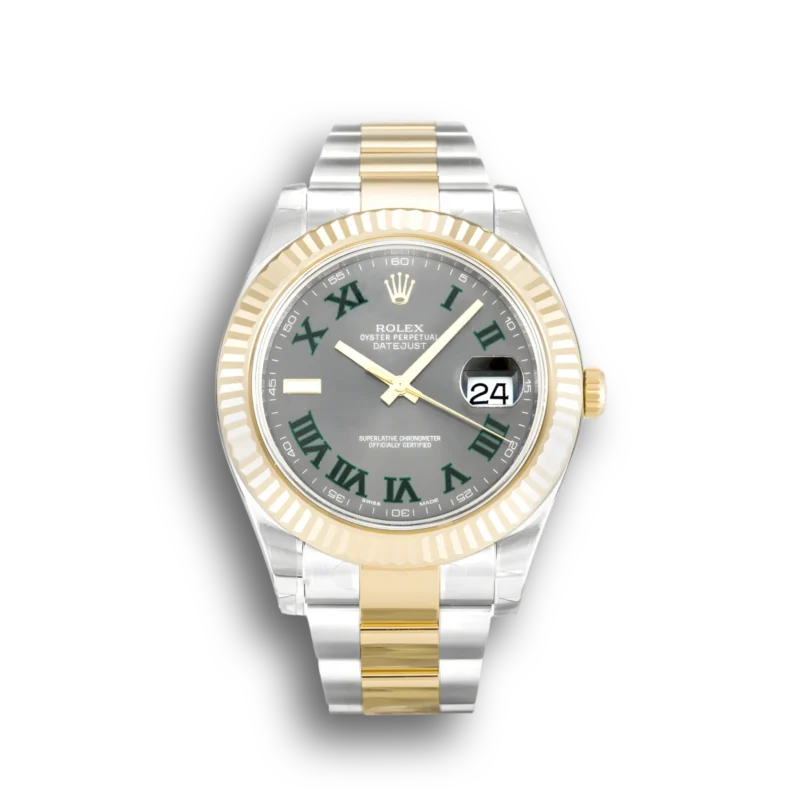
Rolex’s control extends across the full value chain: the company casts and alloys its own gold and Rolesor (steel and gold) combinations in an in-house foundry, manufactures bracelets and cases on-site, produces many movement components, paints and assembles dials and hands, and runs extensive testing facilities including pressure- and timekeeping-tests. This level of vertical integration supports consistent quality and helps Rolex meet and exceed the Swiss legal requirements behind the “Swiss Made” label. In practice, significantly more than the minimum percentage of production cost and final assembly is done in Switzerland.
Historically the brand’s headquarters are in Geneva and many of Rolex’s administrative, R&D and production functions remain concentrated there. Over the years Rolex has expanded into several specialized sites: research and development, prototyping, the metallurgy and gold casting foundry, CNC machining units, and laboratory testing centers are distributed across multiple locations but remain within Switzerland to preserve craftsmanship, secrecy, and quality control.
Key reasons / factors
- Swiss watchmaking heritage: Rolex benefits from centuries of local skills, suppliers and a culture of precision engineering rooted in Switzerland.
- Vertical integration: Owning foundries, case and bracelet manufacturing, movement production and testing facilities allows Rolex to control quality and secrecy.
- Regulatory and branding value: “Swiss Made” is both a legal certification and a marketing asset; producing in Switzerland reinforces Rolex’s premium positioning.
- Skilled workforce: Highly trained watchmakers, engineers and technicians are concentrated in Swiss watchmaking regions like Geneva and Biel/Bienne.
- Proximity of specialized suppliers: Even though Rolex is highly self-sufficient, many niche suppliers and technical partners are nearby, enabling rapid iteration and tight quality control.
- In-house R&D and testing: Rolex invests heavily in testing for chronometry, waterproofing and robustness, requiring dedicated facilities in Switzerland.
Comparison
Comparing Rolex to other luxury watchmakers helps clarify where it stands in the industry. Like Rolex, many top-tier brands (Patek Philippe, Audemars Piguet, Vacheron Constantin) manufacture in Switzerland, often with strong vertical integration or close partnerships with local specialists. Some larger groups (e.g., Swatch Group or Richemont brands) operate a mix of in-house and outsourced production across various Swiss sites.
Unlike some fashion-watch brands that contract production to third parties in multiple countries, Rolex centralizes manufacturing within Switzerland. Compared with smaller independent ateliers, Rolex’s scale enables it to own entire processes (casting gold, machining components, parametric testing) rather than outsourcing. In short, Rolex sits at the high-integrity, Swiss-made end of the market: large-scale but tightly controlled and anchored to Swiss facilities.
Pros and Cons
- Pros
- Exceptional quality control from owning the production chain.
- Strong brand authenticity tied to Swiss manufacturing and heritage.
- Consistent supply of trained watchmakers and specialized engineers.
- Advanced in-house testing (chronometry, waterproofness) ensures longevity and reputation.
- Cons
- High production costs due to Swiss labor and manufacturing standards.
- Limited production scalability compared with mass-market outsourcing options.
- Geographic concentration could create vulnerability to regional disruptions (though Rolex mitigates this with multiple Swiss sites).
- Less transparency in specific site functions—Rolex keeps many operations deliberately discreet.
FAQs
Are any Rolex watches made outside Switzerland?
No. Genuine Rolex watches are produced entirely in Switzerland. All official Rolex manufacturing, assembly, testing and administrative headquarters are Swiss-based. If a watch claims to be a Rolex but was manufactured outside Switzerland, it is not an authentic Rolex.
How can I tell if a Rolex was made in Switzerland?
Genuine Rolex dials and casebacks include markings indicating “Swiss” or “Swiss Made.” Additionally, authenticity checks—serial numbers, reference numbers, original paperwork and inspection by an authorized dealer or watchmaker—confirm Swiss manufacture. Be cautious of replicas that mimic markings; physical inspection and provenance are key.
Does “Swiss Made” mean the entire watch was made in Switzerland?
“Swiss Made” is a legally defined label requiring that a specified percentage of the watch’s production value be generated in Switzerland and that final assembly and inspection occur there. Rolex exceeds these requirements by carrying out a large majority of production in-house within Switzerland.
Where are Rolex movements made?
Rolex designs and manufactures its own movements in Swiss facilities. Movement components, regulation, and final movement assembly are performed in Rolex workshops—mainly in the Geneva region and in specialized units such as Biel/Bienne—ensuring integration with case manufacture and quality testing.
Why does Rolex keep manufacturing sites discreet?
Rolex maintains discretion for competitive and security reasons: to protect proprietary processes, avoid industrial espionage, and preserve the mystique associated with its craftsmanship. Despite this, the company is clear about being entirely Swiss-made and about the general locations of its operations.


Leave a Reply