Direct answer summary: If you’re asking “which Rolex to buy for investment,” prioritize modern steel sports models—most notably the Rolex Daytona (steel), Submariner (no-date or date in stainless), and GMT‑Master II (popular colorways like “Pepsi” and “Batman”). Vintage rarities (Paul Newman Daytonas, rare dial Submariners) can outperform modern pieces but require specialist knowledge and provenance. In short: buy sought-after steel sports references with strong demand, low supply, documented provenance, and in excellent condition.
Detailed explanation
Rolex has unique status among luxury watch brands because certain models consistently hold or increase value. When evaluating which Rolex to buy for investment, consider four overlapping factors: model desirability, production scarcity, historical performance, and buy price relative to market value. The modern steel sports models have shown exceptional liquidity and long-term demand—driven by collectors, speculators, and retail buyers—so they tend to be the best places for most buyers to start. Vintage models can deliver outsized returns but require deep expertise to avoid fakes, refinished dials, or undocumented modifications.
Which Rolex to buy for investment also depends on your time horizon. For medium-term (1–5 years) flips, current hot steel sports pieces with long waiting lists at ADs (authorized dealers) offer the best chance of short-term gains if you can buy at retail. For long-term holds (10+ years), iconic references with provenance and minimal polishing tend to outperform. Always factor in purchase costs (premiums over retail), potential dealer fees, insurance, servicing, and taxes.
Key reasons / factors
- Model demand: Daytona, Submariner, GMT‑Master II and certain Explorer/Sea‑Dweller models are most sought after.
- Material: Stainless steel generally outperforms gold/bi‑metal in resale and demand; precious metals can rise but are more tied to bullion prices and taste.
- Reference and dial rarity: Discontinued references, limited production runs, unique dials (rare colorways, factory errors) drive premiums.
- Condition and originality: Unpolished cases, original bracelets, intact lume, original box and papers significantly increase value.
- Provenance and service history: Full sets and documented servicing from authorized centers improve buyer confidence and price.
- Market entry price: Buying at or below fair market value is crucial—paying speculative premiums reduces upside and increases risk.
- Liquidity: Popular Rolex models are easy to resell worldwide; obscure or custom pieces are not.
- Authenticity risk: Vintage investments require expert verification to avoid counterfeits, redials, and swapped parts.
Comparison
| Model | Why it’s good for investment | Potential downsides |
|---|---|---|
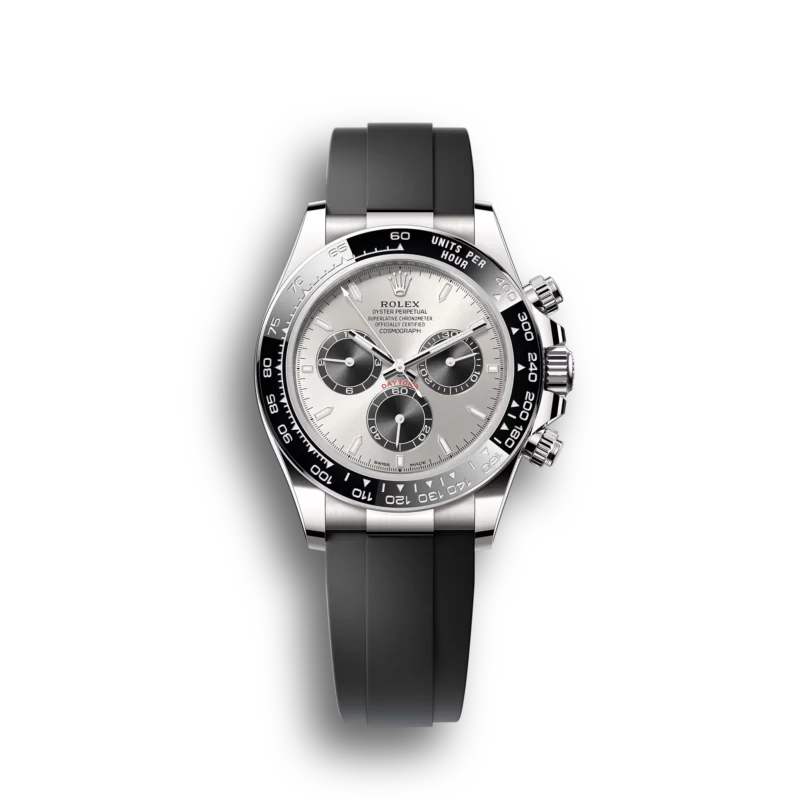
| Rolex Daytona (steel) | Extremely high demand, limited availability, strong resale and celebrity cachet; iconic chronograph. | High entry price; many counterfeits; waiting lists at ADs. |
| Rolex Submariner (stainless, No Date/Date) | Most recognizable sports Rolex, broad demand, solid historical appreciation, versatile wearability. | Less dramatic upside than Daytona; model updates can shift market preference. |
| Rolex GMT‑Master II (“Pepsi”/”Batman”) | Popular among collectors and travelers; cerachrom bezel colorways highly sought after and often trade at premiums. | Colorway popularity fluctuates; some bracelet/market nuances (jubilee vs oyster) affect price. |
| Vintage Daytona (Paul Newman, rare refs) | Lowest supply, highest potential upside; museum‑quality price appreciation for verified examples. | High expertise required; forgeries and non‑original parts common; illiquid for unproven pieces. |
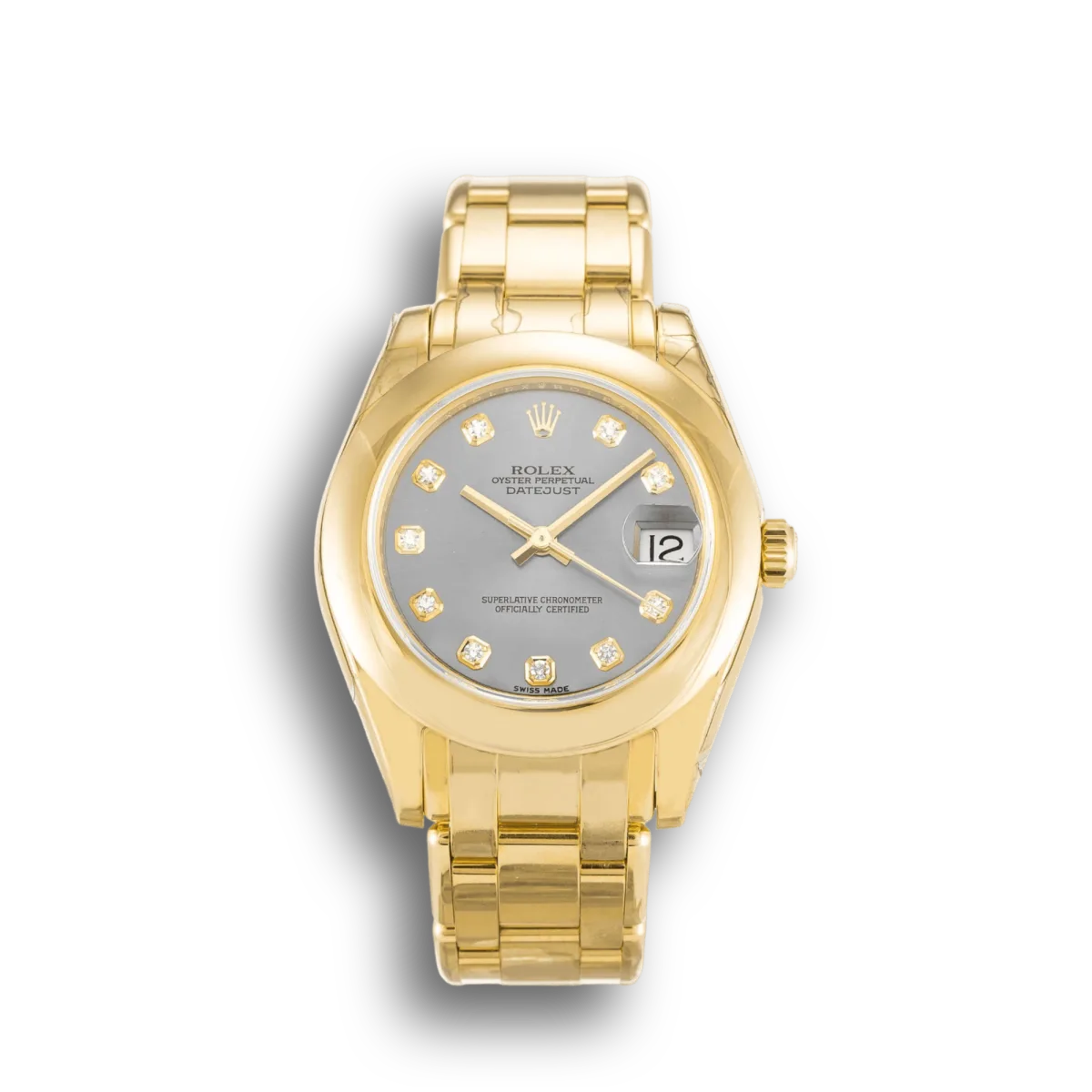
| Other (Sea‑Dweller, Explorer, Yacht‑Master) | Solid niche demand; some references outperform when discontinued or refreshed. | Generally lower liquidity and smaller premiums than top three. |
Pros and Cons
- Pros:
- Strong brand recognition and global liquidity.
- Certain Rolex references historically appreciate faster than many other watches.
- Hard assets that you can enjoy wearing while holding value.
- Large secondary market and reliable marketplaces for resale.
- Cons:
- Market can be speculative and cyclical—past performance is not a guarantee.
- High premiums exist; buying at inflated prices reduces returns.
- Costs: insurance, servicing, potential taxes and broker/dealer commissions.
- Vintage requires specialist authentication to avoid costly mistakes.
FAQs
1. Is buying a Rolex always a good investment?
No. While certain Rolex models have shown strong appreciation, not every Rolex increases in value. Investment success depends on model choice, purchase price, condition, market timing, and authenticity. Buy desirable steel sports references at reasonable prices for the best chance of appreciation.
2. Should I buy a new Rolex at retail or on the secondary market?
Buying at retail is ideal because you avoid dealer markups and immediately gain equity if the market price exceeds retail. However, many buyers cannot access hot models at ADs and must purchase pre‑owned. If buying secondary, verify provenance, service history, and compare sold prices to avoid overpaying.
3. Are vintage Rolexes better investments than modern ones?
Vintage can offer higher returns for rare, well‑documented pieces (e.g., Paul Newman Daytona). But vintage investing requires expert knowledge and carries authenticity and condition risks. For most investors, modern steel sports Rolex models provide a better balance of liquidity, predictability, and lower risk.
4. How important are box and papers?
Very important. Original box, papers, service receipts, and accessories increase resale value and buyer confidence. A full set can command a meaningful premium over an otherwise identical unworn watch without documentation.
5. How long should I hold a Rolex for investment?
There’s no fixed period. Short‑term flips (months to a few years) work when demand spikes and you buy below market. Many collectors take a long‑term view (5–15 years) to ride broader market appreciation. Align your horizon with your financial goals and tolerance for market fluctuations.

Leave a Reply