Short answer: Rolex watches are expensive because the company combines premium materials, in-house manufacturing, extensive research and testing, tight distribution and brand prestige to create timepieces that command high prices and strong resale value. In other words, high production standards, vertical integration, limited availability and powerful marketing all contribute to why Rolex watches cost so much.
Detailed explanation
When people ask “why are Rolex so expensive” they usually mean why Rolex watches carry a higher price tag than many other watches. The full answer involves both tangible and intangible factors. Tangible factors include the metals, movements, manufacturing processes and quality control that go into each watch. Intangible factors include the brand’s heritage, global reputation, perceived status and the aftermarket demand that keeps prices elevated.
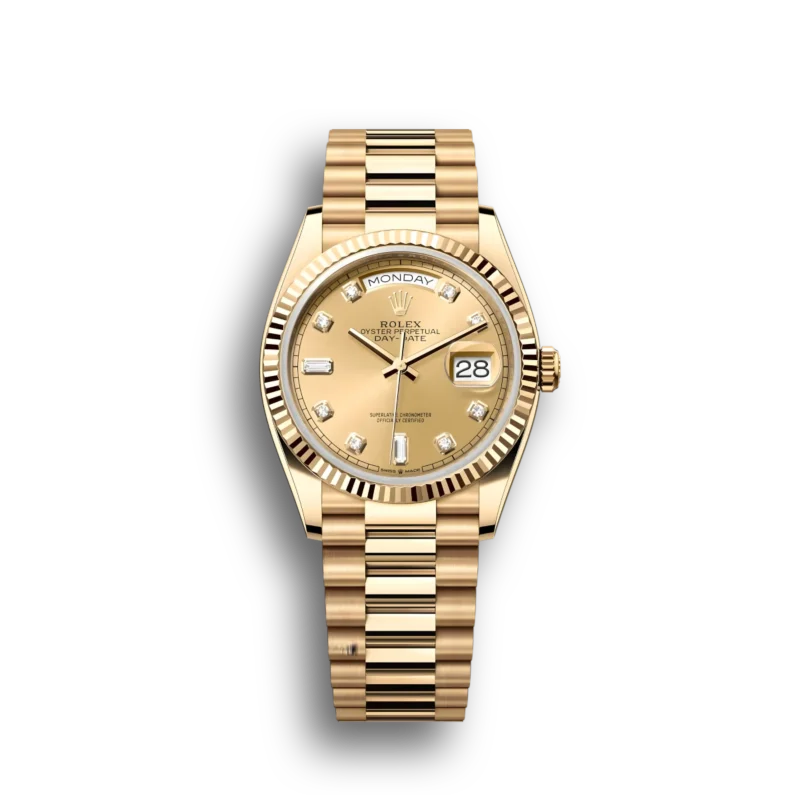
Rolex operates as a highly vertically integrated manufacturer: they design and produce a large percentage of components themselves, from cases and bracelets to hairsprings and movements. They use uncommon materials (for example Rolex’s proprietary 904L stainless steel, now called Oystersteel, and their own gold alloys) and invest heavily in tooling and precision machinery. Each Oyster, Submariner, Daytona or Datejust undergoes rigorous testing for accuracy, waterproofing and durability—often above standard chronometer certification. Those investments add cost per unit.
On top of production cost, Rolex controls distribution tightly. New watches are rarely discounted through authorized dealers; supply is limited relative to demand for many models, which creates waitlists and a robust secondary market where certain references sell for significant premiums. The combination of scarcity, controlled pricing and strong resale value reinforces Rolex’s luxury positioning and allows the brand to maintain high retail prices.
Key reasons / factors
- In-house manufacturing: Rolex makes most components internally, which increases control over quality but raises fixed costs.
- High-grade materials: Use of proprietary steel, 18k gold, platinum and ceramic, plus high-quality jewels and lubricants, raises material costs.
- Movement quality and certification: Many Rolex movements are chronometer-certified and undergo additional testing for precision and reliability.
- R&D and innovation: Rolex invests in new alloys, improved escapements, Paraflex shock absorbers and other technical developments.
- Manufacturing and finishing standards: Tight tolerances, hand-finishing and extensive quality control mean higher labor and time costs.
- Brand heritage and marketing: Decades of iconic models, sponsorships and celebrity association build perceived value beyond the watch’s materials.
- Limited availability and dealer controls: Controlled distribution and limited allocations create scarcity and waiting lists for popular models.
- After-sales service and warranty: Worldwide service network, long-term parts availability and strong resale value justify higher initial prices.
Comparison (if relevant)
| Brand | Typical price range (new) | Positioning / Notes |
|---|---|---|
| Rolex | $6,000 – $50,000+ (many models) | Mass-luxury leader; high resale value; tight distribution |
| Omega | $3,000 – $10,000 | High-quality Swiss watches with more frequent discounts; strong technology (Co‑Axial) |
| Tudor | $2,000 – $5,000 | Rolex sister brand with value-oriented positioning |
| Patek Philippe | $20,000 – $1,000,000+ | Ultra-luxury, artisanal finishing and limited production; often pricier than Rolex |
| Seiko (Grand Seiko) | $300 – $10,000+ | Range from affordable to high-end; Grand Seiko competes on finishing and movement quality |
Compared to brands like Omega or Grand Seiko, Rolex prices are higher relative to perceived technical complexity because Rolex emphasizes robustness, timeless design and resale stability over avant-garde finishing or extreme thinness. Compared to Patek Philippe, Rolex is more widely produced and somewhat more accessible, but both command premiums for different reasons: Rolex for desirability and liquidity; Patek for horological rarity and finishing.
Pros and Cons
- Pros: Iconic design and strong brand recognition; excellent build quality and durability; reliable movements; global service network; strong resale and collector demand.
- Cons: High upfront cost; long waits for popular models; limited discounting from authorized dealers; some models carry significant secondary-market premiums above retail; not always the absolute best value in pure technical terms.
FAQs
Are Rolex watches worth the price?
For many buyers the answer is yes: if you value long-term reliability, strong resale value, brand recognition and a timepiece that holds cultural cachet, Rolex offers strong justification for its price. If you prioritize technical innovation, finishing per dollar, or want deep discounts, other brands may offer better value.
Why do some Rolex models sell for more than retail?
Limited allocations, dealer waitlists, scarcity of specific references and high collector demand push prices on the secondary market above retail. Popular sports models (e.g., Submariner, Daytona, GMT-Master II) often see the biggest premiums.
Does Rolex use better materials than other luxury watches?
Rolex uses high-quality materials and proprietary alloys (Oystersteel, Rolesor, Rolesium, Everose gold). While other high-end brands may use similar or even more exotic materials and finishing techniques, Rolex’s material choices are selected for longevity and durability rather than ornate finishing alone.
Can I get a discount on a new Rolex?
Discounts on new Rolex watches through authorized dealers are rare. Rolex tightly controls pricing and allocations, so small trade-in allowances or bundle deals are more common than outright discounts. The aftermarket sometimes offers models at a premium instead of a discount.
Do Rolex watches hold their value?
Many Rolex models hold value well and some appreciate, especially discontinued references or limited-production pieces. Resale performance varies by model, condition and market trends, but Rolex generally outperforms most other mainstream watch brands on the secondary market.



Leave a Reply